Simplifying What to Wear
SensWear
A concept for wardrobe styling that reads the weather and your closet each morning.
Overview
SensWear is a concept iOS app for people who care how they dress, built as a self-directed product design project.
The problem. People struggle to decide what to wear in the morning, pulled between internal and external factors: the weather, their mood, the day ahead, and more.
The outcome. I designed a mobile app that helps people decide what to wear, leading with the weather and a short set of recommendations drawn from their own closet.
Deliverables
- User and market research
- Product ideation
- Sketches
- Storyboard
- Personas
- Experience mapping
- UI mockups
- Prototype
- User testing
“What should I wear?” is a question that has followed humans since our ancestors pulled on their first loincloths. They worried more about survival than about impressing anyone. The modern day is full of dress codes, the small ways we signal to each other which values and groups we belong to.
The Challenge
Say hello to Amit, a 22-year-old influencer whose pronouns are they/them. When Amit opens their closet to decide what to wear, they are met with indecision. As a trendsetter, being seen as stylish matters to them.
My outfits communicate my personality and interests.
Goals. Amit wants to feel confident and put-together every day. Part of their job is staying in the know and curating outfits for content.
Behavior. They spend real time assembling unique looks, yet rarely wear everything hanging in their closet.
Frustrations. Amit struggles to settle on an outfit and often forgets items they already own.
The Research
I spoke with indecisive people like Amit to understand the root of it. Why is it so hard to decide what to wear in the morning? The answers split cleanly into external and internal pressures.
External factors
Weather changes every day.
Weather is my number one factor. I’ll just check temperatures.
The day’s events and activities change too.
If I know I’m going to be very active that day, walking around to a lot of places, I usually go with my better shoes for it.
Dress codes narrow the options.
I have a set combination of clothes that are work acceptable.
Laundry cycles decide what is even available.
When it’s getting close to laundry day, I don’t have a lot of clean clothes, so I’m stuck with the bare minimum of what I can wear.
Repeating an outfit is its own rule to track.
I make sure I’m not wearing an item on the same day as the previous week.
Internal factors
Emotion and mood.
I have a closet full of clothes and sometimes feel like none of them make a good outfit, or it’s just weird.
The desire to fit in.
The root cause might be a fear of judgment from other people.
The desire to stand out.
Usually going out with friends, or to eat, I want to look cute.
Confidence.
You want to dress for the job you want.
The Discovery
The pattern that surfaced again and again was decision paralysis. Amit became the primary persona out of 15 interviews, with a set of secondary personas who hit the same wall. So I mapped the whole morning to find where exactly the paralysis sets in.
The friction was never getting out the door or the commute. It was standing in front of the closet.
The Ideation
How might we help Amit decide what to wear and quiet the decision paralysis?
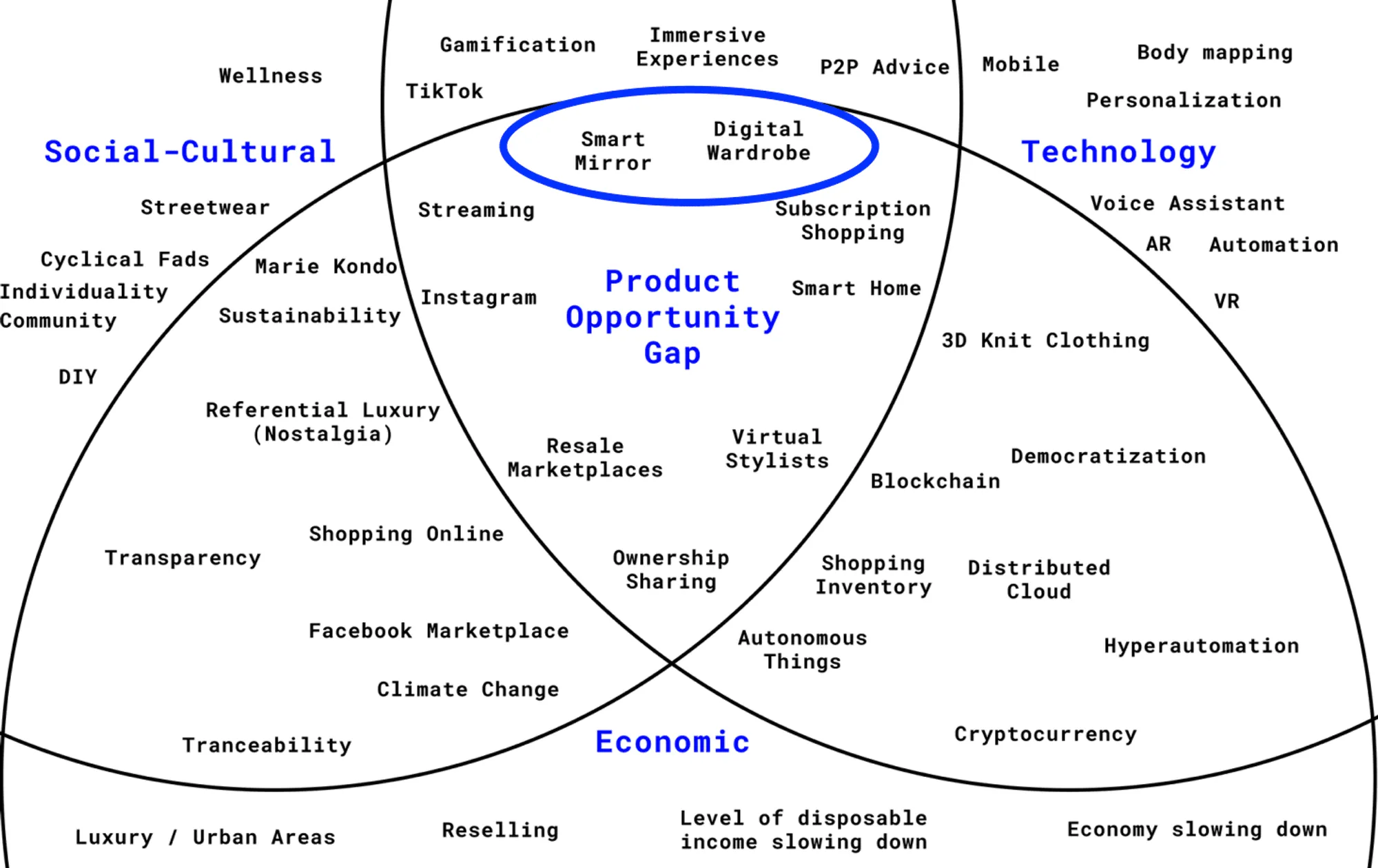
To aim for something genuinely new, I looked at where social, economic, and technology trends overlap. Two ideas rose to the top of that intersection: a smart mirror and a digital wardrobe.
The Vision
I imagined a near future where a mirror could anticipate what you need before you ask.
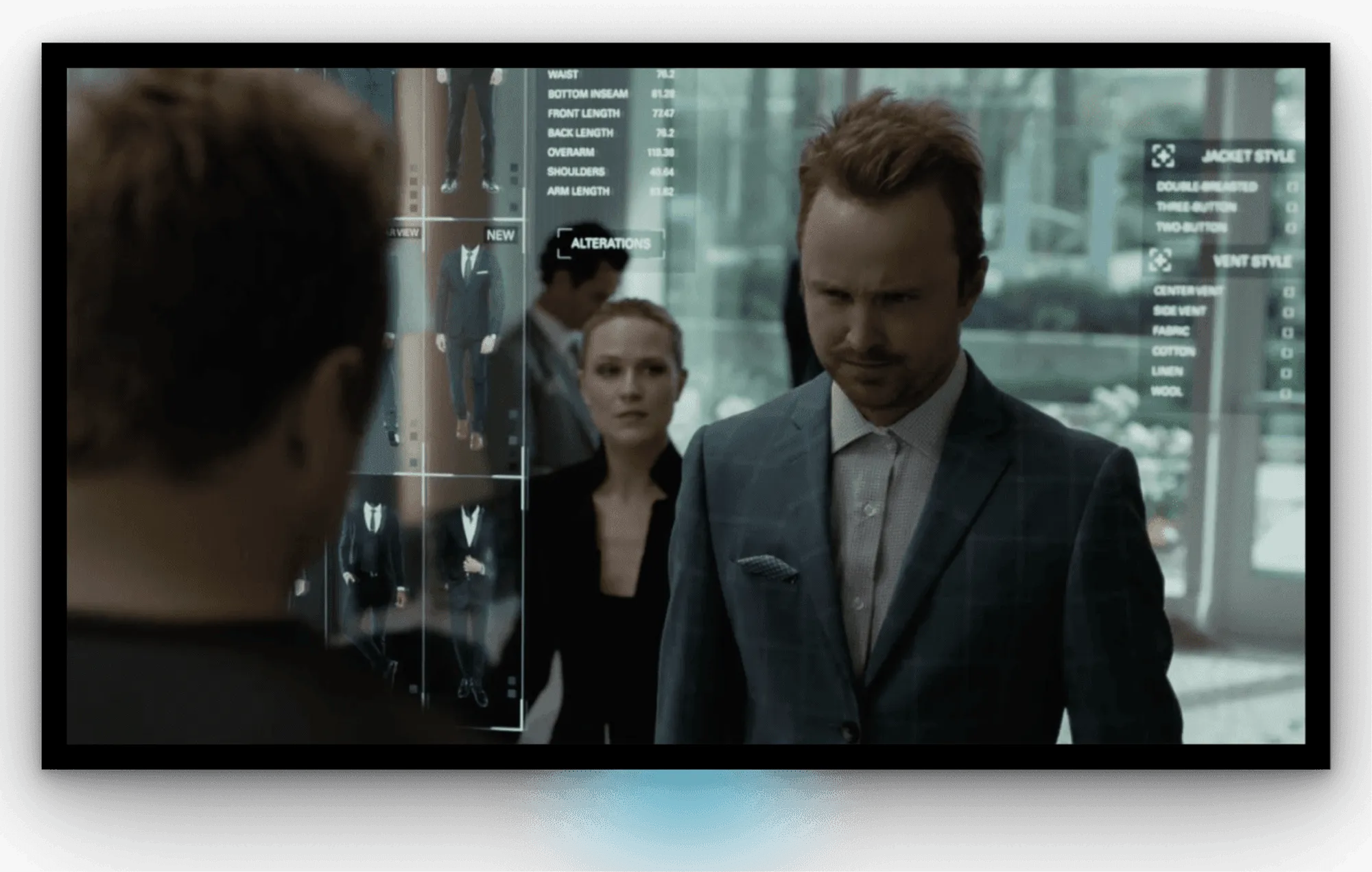
People stand in front of a mirror every morning already. What could we add to that moment to make getting dressed easier, with fewer decisions to make?
The Design
Paper prototyping let me design for real needs with the emotion of the morning in mind. Talking to people, the trouble kept coming back to a few things: what clothes they actually own, what the weather is doing, and what the day holds.
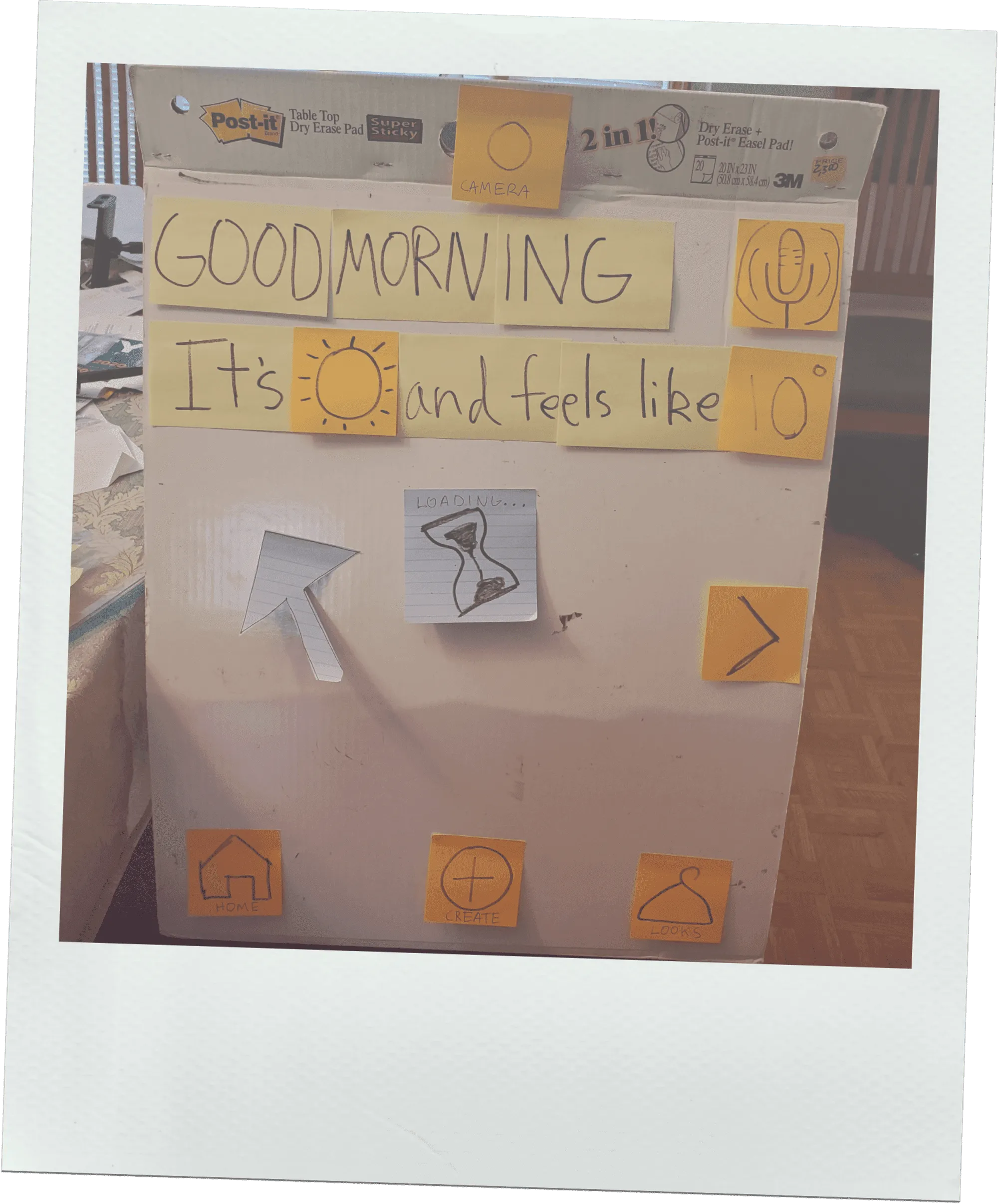
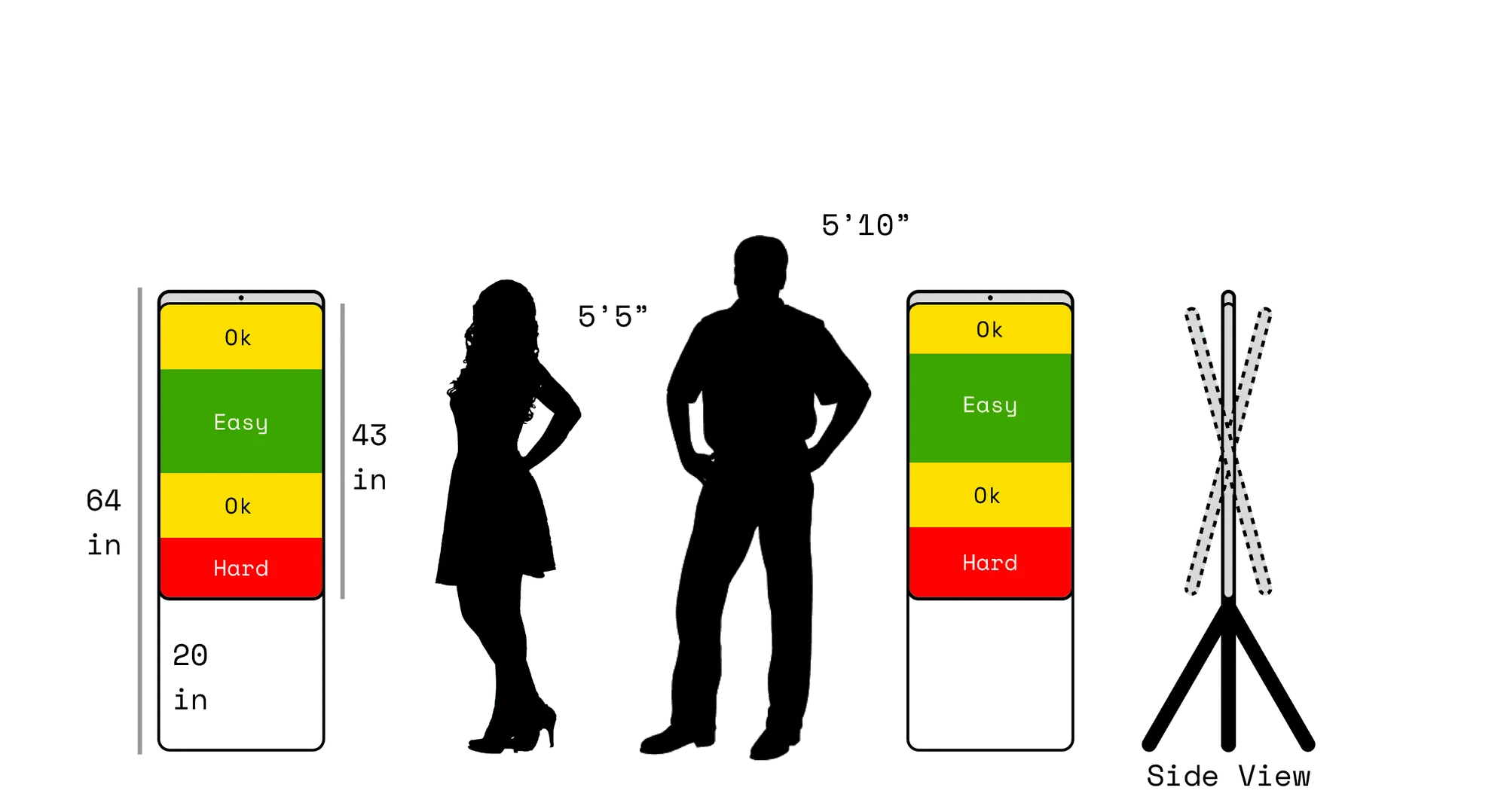
Inspired by Luke Wroblewski’s mobile-first thinking, I designed a mirror-first concept. Prototyping at full size was the only way to see where a person could comfortably reach and where the screen worked against them.
When COVID-19 arrived in March 2020, in-person testing stopped. I moved the concept onto a phone and tested remotely.
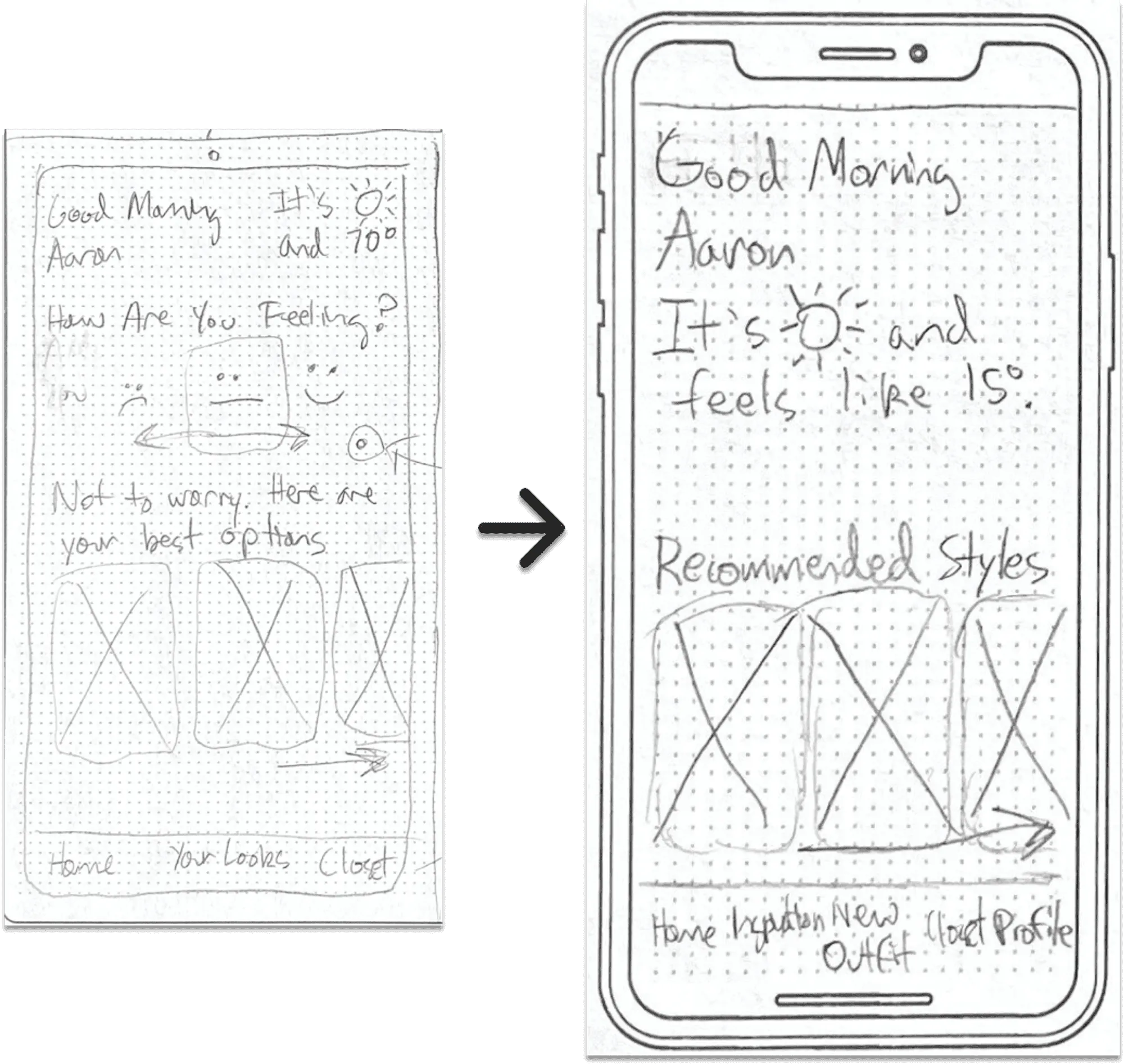
The primary screen had one job: reduce decision paralysis by leading with the weather and a few recommended styles. I mapped the full user flow in Whimsical to keep every step pointed at an easier decision.
The Solution
Make outfits simple and personal, one day at a time.
Get recommended outfits based on the day
Each morning, SensWear reads the weather and the day’s events and surfaces a few outfits to choose from.
I love that it’s based on the weather and gives me suggestions based on the events I have that day.
View item details and save for later
Every recommendation ties back to clothes the wearer already owns, so the app nudges them to rediscover their own closet.
My main issue was inspiration, and being able to choose from and use my own closet. This helps because it gets your brain thinking about items you already have.
Browse outfit inspiration
Beyond the daily pick, SensWear offers looks by trend, mood, and occasion for when Amit wants to explore.
I like how it gives you trends, moods, and occasions, and if you swipe up there are even more options.
I built an interactive prototype and tested it from onboarding through outfit selection. Amit’s new experience now meets them where they are:
- Track their clothing and outfits in one place
- Find inspiration that is genuinely their own
- Wear more of what is already in their closet
The Takeaways
What I learned from simplifying the what-to-wear problem.
Find the right solution through experimentation
I started broad, with fashion and style, and a hunch that people struggle to dress during hectic mornings. Iterating my way from that hunch to a testable concept is what made the idea real.
Talk to the right users
Early on I interviewed people who were not especially passionate about style. They had real problems, but to design something innovative I needed the people who care most about how they dress. Changing who I talked to changed the whole project.
Find the opportunity gap and go there
To pursue innovation, I looked at social, economic, and technology trends together. The smart mirror had existed for years without catching on. I tested the physical idea with paper, then tested desirability and viability with a mobile prototype.
The Future
Where I would take SensWear next.
Prototype the smart mirror
COVID-19 cut short the in-person testing my paper mirror needed. The mirror was the idea that excited me most out of the trend exercise, and it is the first thing I would build out and put in front of people.
Pursue business viability
The concept proves the desire; the next question is whether it can stand on its own. From here I would pressure-test how SensWear earns its place in someone’s morning, and in the market around it.